Home Charging Cost Calculator
"Cheap to charge" only means something once you know your own electricity rate. Enter your battery size, typical charge range, and rate to see the real cost per charge, per mile, and per month.
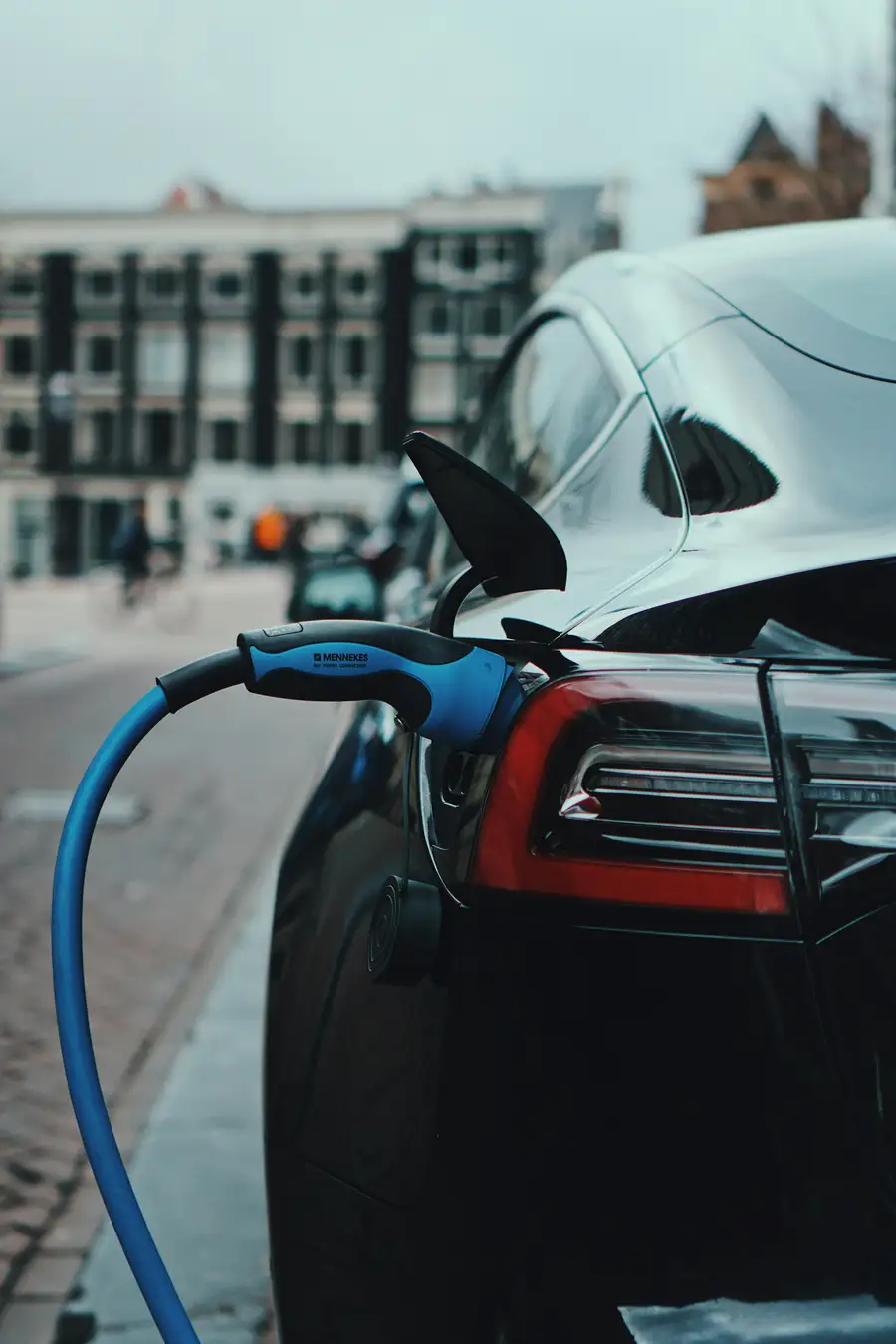 Photo: Precious Madubuike / Unsplash
How this is calculated
Charging isn't 100% efficient: some energy is lost as heat between the wall and the battery, typically 10–15% for AC (Level 1/2) home charging. So the energy you actually pay for is higher than what lands in the battery: energy from the grid = (battery kWh × charge range) ÷ (1 − loss%), and cost per charge is that number times your electricity rate. Cost per mile follows the same logic using your EV's efficiency rating instead of a fixed charge range.
Your electricity rate is the number that matters most here; it's on your utility bill, usually in ¢/kWh. If your utility offers a lower overnight or off-peak rate and you can charge then, use that rate instead of your blended average for a more accurate "if I charge smart" estimate.
Worked example
Take this calculator's defaults: a 75 kWh battery, charging from 20% to 100%, at $0.16/kWh with 12% charging loss. That's 60 kWh needed by the battery (75 × 80%), but 68.2 kWh actually drawn from the grid once you account for the loss (60 ÷ 0.88), so one full charge costs $10.91, not the $9.60 you'd get from ignoring charging loss entirely. Per mile, that works out to about 5.5¢, or roughly $54.55/month at 12,000 miles a year. For comparison, a 32-MPG gas car at $3.50/gal driving the same distance would cost about $109/month in fuel. Charging loss included, this EV still costs about half as much to fuel.
Frequently asked questions
Why isn't public/DC fast charging included here?
Public fast charging is priced and taxed differently (often per-minute or per-session rather than per-kWh) and typically costs 2–4× more than home charging. Use our road trip charging planner for that scenario.
Does charging speed (Level 1 vs Level 2) change the cost?
Not meaningfully: cost depends on energy delivered (kWh) and your rate, not how fast it's delivered. Level 1 (standard outlet) is just slower, not cheaper per kWh, though very slow charging can very slightly reduce heat losses.
Does cold weather make charging more expensive?
Yes, in cold weather, more of the energy you draw goes toward warming the battery instead of storing charge, so real-world charging loss can run higher than the 12% default, sometimes 20%+ in freezing temperatures. If you're in a cold climate, try increasing the "charging loss" input in winter months for a more realistic estimate.
How do I find my exact electricity rate?
Check a recent utility bill for your total cost per kWh; add together the "supply/generation" and "delivery" charges if they're itemized separately, since both apply to every kWh you use. Many utilities also publish time-of-use rate schedules online if you want the specific overnight rate for charging.
Is there a cheaper time of day to charge?
Often, yes. Many utilities offer time-of-use (TOU) plans with a much lower overnight rate specifically to encourage EV charging off-peak. If your utility offers one and your charger supports scheduled charging, switching to that rate in this calculator can show meaningful monthly savings versus a flat blended rate.
Does a bigger battery cost more per mile to charge?
Not on its own: cost per mile depends on your EV's efficiency (kWh per 100 miles), not raw battery size. A larger battery costs more to fill from empty to full, but if it also gives you more range per charge, the cost per mile can end up about the same as a smaller, less efficient battery.
New to EV charging in general? Our EV charging 101 guide covers home vs. public charging and the different charging levels. Haven't installed a home charger yet? See our installation cost guide for what it actually costs.